If you draw a circle around the lift station in the format of a civil map it’s easy to visualize it as a piece of self-contained equipment.
In reality, water flows from somewhere, passes through the station and continues somewhere else. It also relies on the structure, power, controls and access to the site.
For teams in search of the best lift station designers The most important thing to consider is whether engineering considerations these interfaces, and not just what happens inside the station.
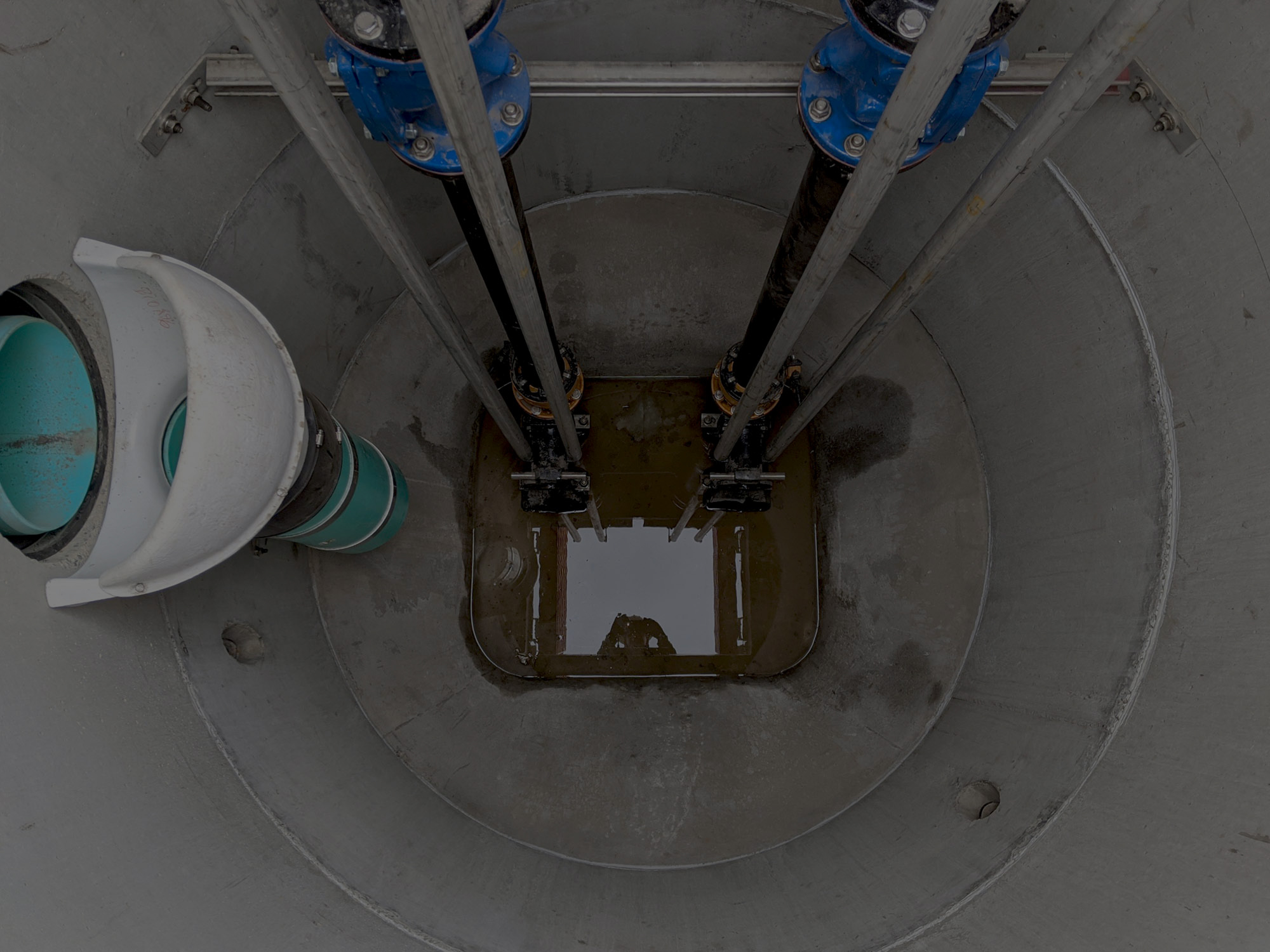
Image credit: romtecutilities.com
Commence upstream from the Wet Well
Consider a new development of residential homes as an example. The wastewater is transported from the collection system towards the lift station. The incoming flow conditions and elevations on the site determine what the station will be required to handle.
When the wastewater is in the well, another set engineering decisions are made. The valves, pumps, piping and structural components, as well as controls, and possibly other equipment should be appropriate to the application.
Romtec Utilities designs wastewater systems for municipal, commercial, and industrial sites as well as applications for development.
The approach to the project is crucial because what happens downstream can affect the purpose of the pumping station.
Be sure to follow the water past the pumps
The engineering problem doesn’t stop even after the liquid exits the wetwell. The pumping system needs to move it to meet the conditions in the downstream system. Required flow and head conditions affect the selection of pumps and station setup.
That connection is particularly important when evaluating the best wastewater designers. It’s not enough for a pump to boast impressive specifications on its own. It also has to perform well within the hydraulic system.
Romtec Utilities is able to conceptualize all the parts that comprise a pumping plant, including the structure as well as the mechanical, electronic and the communication as a package. This allows us to coordinate the equipment required for the project.
Stormwater has its own network of Connections
Stormwater is a unique infrastructure puzzle. Runoff from paved surfaces can enter an infrastructure for collection and flow through detention, drainage, or flood control. The station is a link to the overall stormwater strategy where pumping is necessary.
For those who are looking for the most effective design of a stromwater system should consider whether the conditions on the site, flow rates, head requirements environmental factors, and the stormwater plan surrounding it are evaluated together.
Romtec Utilities supplies customized stormwater pumping systems for residential, commercial industrial, and municipal projects rather than relying on a single configuration for every application.
Coordination Extends Above Ground Too
Not all interfaces require the use of piping. Electrical power must be connected to the equipment. Control and communications systems must be customized to the specific project. Contractors need plans and documents. Access to physical facilities may be required for installation, startup, as well as later service.
These connections can involve several disciplines as well as project participants, making clear system documentation particularly valuable. Romtec Utilities offers complete plans and project documents. It also supports the systems from initialization through testing and commissioning.
View Outside the Station Boundary
If the connections to external components of a lift aren’t properly considered, a well-engineered lift station may still be a part of a poorly coordinated project.
The water is a good design guide. Where did it come from? In what conditions does it arrive at the station? What happens while it is there? Where will it go afterward? What infrastructure allows the whole process to function?
By answering these questions, you can transform lift station design from an exercise in equipment to an engineering project for infrastructure.