Most people don’t think much about cooking oil yet it’s a common ingredient that they use every day. You can pick the one closest to you and think it will accomplish everything. Oils perform differently based on the temperature, flavour and fat composition. Understanding the differences between oils is among the most effective ways to cook food that is better than home cooking.
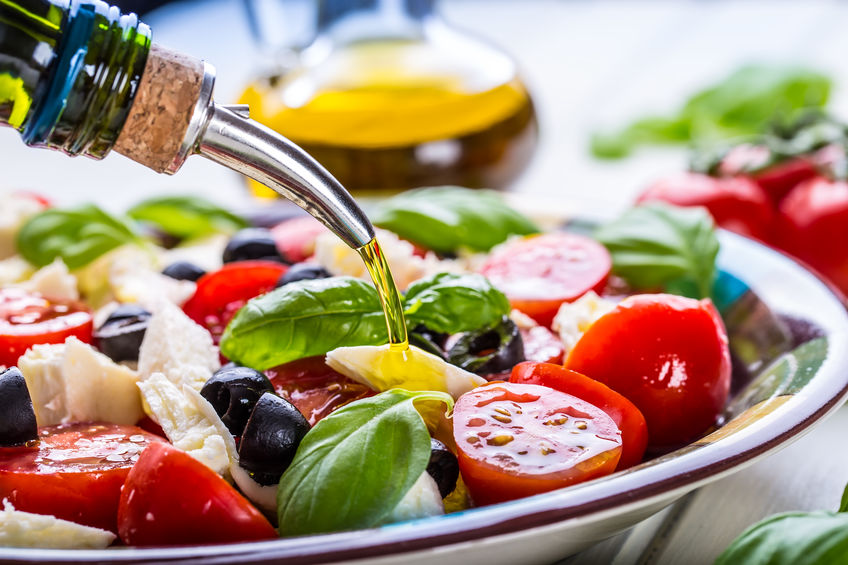
It is crucial to not make your choice based on current trends or news headlines when selecting olive oil, avocado oil, or coconut oil. It is crucial to think about the performance of each oil when applied in real-life cooking.
Why selecting the right oil is more important than you might think
Oil performs three crucial functions in cooking. Oil transfers heat into food. Then, it adds flavour at a subdued or significant level. It also has an impact on nutrition, depending upon the kind of fat used and its stability at high temperature.
When an oil overheats it doesn’t just smoke it breaks down. This reduces nutritional value and can create unpleasant flavours. Unsuccessful oil makes food taste dull, bitter or greasy even the best recipe.
Use Olive Oil with Intention when cooking
Olive oil has been investigated and widely used in cooking. It is made by pressing olives. It is a great source of monounsaturated oil, as well as antioxidants, including polyphenols.
Extra virgin olive oil has a distinctive, fruity, sometimes peppery flavour. This makes olive oil for cooking ideal for salad dressings, marinades, roasted vegetables, light sautéing, and finishing dishes. In these cases the taste of food isn’t diminished, but enhanced.
The smoke point of extra virgin olive oils is less than people are aware of. For cooking that requires higher heat, refined olive oil is more suitable. It has a lighter flavor and higher heat tolerance which makes it ideal to cook in baking, frying and roasting at higher temperatures.
When used properly When used properly, olive oil has both flavour and health benefits but it is most effective when the temperature is kept under control.
Coconut Oil: Specific but Stable
Coconut oil performs a different way from olive oil. Its high content of saturated fat ensures it is extremely stable when heated. Coconut oil is popular for its stability.
Refined coconut oils possess an extremely mild flavor and are perfect for baking, frying, or other applications where temperature stability is the most important thing. Unrefined coconut oil has an intense aroma and a distinct flavor of coconut. This flavor is ideal for curries, desserts, stir-fries and so on but can also clash with other meals.
For health reasons It is best to make use of coconut oil less frequently instead of daily. Coconut oil is a great choice for high temperatures, but it doesn’t have the antioxidants that avocado and olive oils have.
Avocado oil is heat-friendly and neutral
Avocado oil’s popularity is largely because of its capacity to withstand the heat. Avocado oil used for cooking has one of the top smoke points of the commonly used oils, which makes it perfect for searing, roasting or grilling and for fritting.
In terms of nutrition, avocado oil is rich in monounsaturated fatty acids and vitamin E, putting it in the same category as olive oil than coconut oil with regard to health benefits. Its mild and neutral flavor is an excellent choice when you want to keep the oil from affecting the flavor of your food.
Avocado oil is usually the most secure option for cooking at high temperatures, while still prioritising a healthier fat.
How to Use Oils smartly
There isn’t an oil that is perfect to suit every situation. Make sure you have several oils available and use them intentionally.
Olive oil is the best choice when flavour and nutrition matter. Avocado oil is ideal for high-heat cooking. Coconut oil is a great choice when you want to ensure stability of heat, or if a distinctive taste is what you are looking for.
If you are aware of these differences You can cook more accurately and with less guesswork.
The better the basics and the more delicious the food
It doesn’t take a lot of ingredients or elaborate techniques. Small, informed decisions made frequently are the most important.
It’s easy to increase your confidence and improve the texture and taste of food by understanding how cook using avocado oil, olive oil, or coconut oil. Once you’ve got an understanding of how oils perform in the kitchen, all other issues become more straightforward.