For a long period, the concept of edge computing was considered something complicated and costly that was typically reserved for large companies with specialized hardware. In the present, this perception is changing. Businesses across the UK are realizing that adaptable and cost-effective systems can deliver impressive results while requiring minimal effort.
The advent of platforms that combine the benefits of simplicity and scalability are the basis of this change. The edge computing platform UK firms can now rely on has a distinct appearance from the standard setup. Instead of relying exclusively on data centers that are centrally located, businesses are bringing processing closer to the places where data originates.
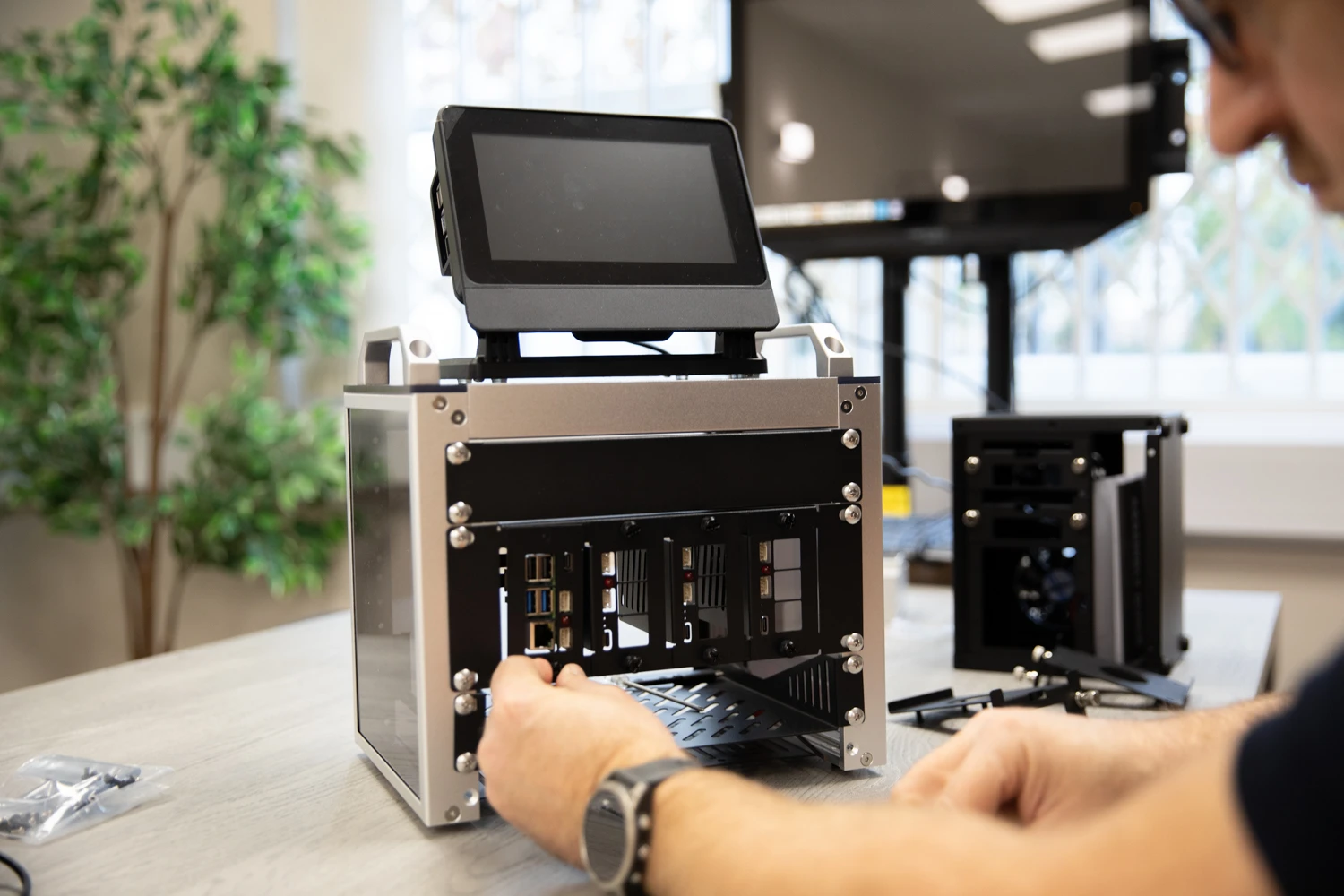
This speed increase reduces latency, and creates the possibility of real-time decision-making.
From Small Devices to Enterprise Systems
The Raspberry Pi’s image as a learning tool has been transformed in a dramatic manner. What was once seen as a tool for experimenting with is now utilized to power real-world infrastructure in industries such as manufacturing logistics, logistics, and smart environments.
Through platforms like ScalerPi Businesses can turn one device into an integral part of a coordinated system. A Raspberry Pi cluster production use model allows multiple units to work together, creating a distributed system capable of handling complex workloads.
This technique allows to expand from a single prototype to hundreds of connected devices all connected and working together.
Brings Kubernetes up to the Edge
Modern infrastructure relies on orchestration tools and containerized apps. Kubernetes is a management tool that has become standard in these environments, faces several new challenges when running at the edge.
A kubernetes on-premise solution offers an opportunity to control your system while benefiting from the flexibility of orchestrating containers. Businesses can deploy and manage their own systems, instead of completely relying on cloud providers.
This creates a balance between performance and control, allowing organizations to tailor their infrastructure according to specific operational requirements. ScalerPi fills the gap through combining the hardware know-how of ScalerPi and the latest software techniques. This makes more advanced deployments less expensive.
The reason why Data Sovereignty Gains The Importance
In a time of ever complex data regulations, businesses must be more aware of the data storage location that is stored and handled. Cloud providers are usually external, which can raise concerns over compliance and control.
UK organizations can use an sovereign cloud to secure data within national borders while ensuring performance. This method ensures that sensitive data is safe and within the local laws.
By integrating edge computing with an infrastructure that is sovereign, companies are able to gain flexibility and accountability. The data is processed nearer to the source, but being controlled in an environment.
Deployments that are simple to understand
The management of large amounts of devices presents a huge issue for edge computing. As deployments increase, maintaining security, consistency and performance gets more difficult.
ScalerPi addresses this by offering a full-stack approach that includes devices, hardware supply and support. This approach is more efficient, allowing teams to focus more on the applications than the infrastructure.
A solution for edge computing that UK businesses can trust should not need constant manual input. Instead, it should have tools to automatize processes, monitor performance and ensure reliability across all devices.
Systems for Building that Scale With Confidence
Planning is vital to ensure that you can scale from a prototyping phase to production. Every stage presents new challenges ranging starting with hardware selection, software integration, as well as ongoing maintenance.
By creating a standardized framework for growth, using a Raspberry Pi production cluster use strategy can make this move simpler. Businesses can grow according to their own schedule by adding devices or making changes without disrupting the existing system.
This flexibility can be advantageous to companies who want to try out innovative technologies or explore new markets.
A Future of Control and Flexibility
The future of infrastructure is shifting towards infrastructure that is open, adaptable, and efficient. Businesses don’t wish to be tied into rigid structures that limit their creativity.
Solutions like a Kubernetes-based on-premise solution or a UK sovereign solution for the cloud give companies greater control over their data and operations. These tools, when paired with the scalability, flexibility and adaptability of Raspberry Pi clusters provide an infrastructure that can accommodate the long-term growth.
Moving forward with Edge Innovation
Edge computing is no longer an idea that is just emerging, it’s now a practical solution for modern challenges. Combining affordable hardware with modern software, companies are able to develop systems that are robust and efficient.
ScalerPi helps businesses bridge the gap that exists between cloud technology and physical devices. It allows edge computing to be accessible to every organization through thoughtful design, reliable deployment and an adaptable architecture.
As more companies explore the potential benefits distributed systems provide, their capacity to grow efficiently and effectively will determine the success of their venture in the future years.