Surface finishing is no longer a labor-intensive task It is now a process that is precision-driven. In the world of manufacturing the present, the quality of coatings is directly tied to the durability, resistance to corrosion, and perception. As global standards tighten and clients demand perfect quality finishes, many companies are turning to robotics for painting for more control and uniformity.
Modern paint robots offer structured motion and programmable precision to tasks that previously depended on operator skill. Manufacturers can eliminate inconsistencies like uneven film building or excessive material consumption by automating spray path, speed, and angle of application. This predictable coating process supports First Time Quality, and reduces rework.
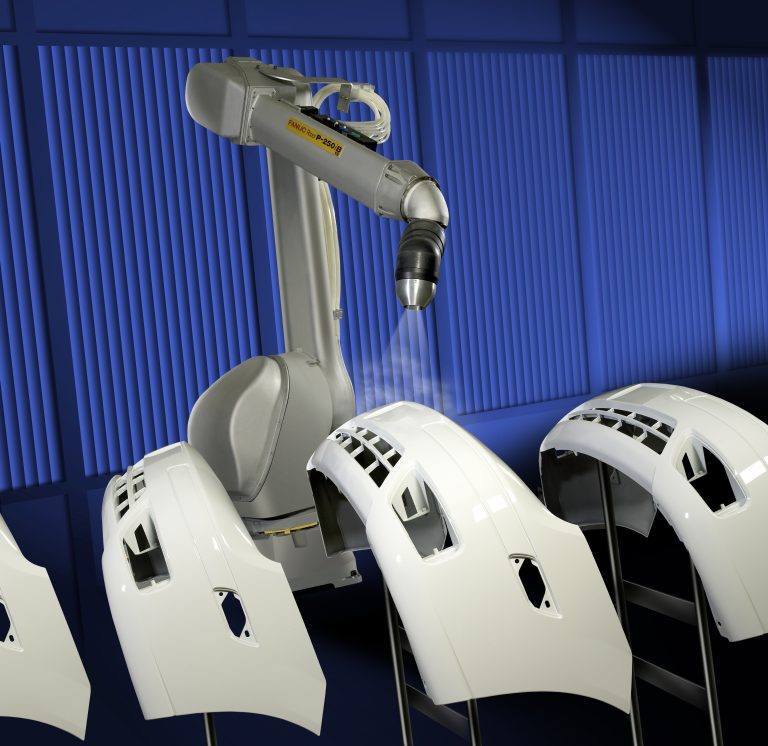
Image credit: automatedsolutions.com.au
Efficiency, consistency, and measurable gains
Manual painting often introduces variation in thickness and coverage due to fatigue of the human or small differences in technique. Paint robots eliminate this variation since they repeat the same motion pattern through each production process. This type of repetition guarantees an even surface finish and an optimal distribution of the material on every part.
The efficiency of transfer from advanced paint systems that use robotics is increased. Overspray of paint can be diminished when the distance and direction between the applicator and component are maintained precisely. Reduced material waste results in cost savings. Decreased volatile organic compound emissions support the environment.
Paint robotics that integrates fluid handling ensures accurate mixing ratios for coatings that contain multiple components. This prevents inconsistent coatings that affect the integrity of finish. The ability to control flow in conjunction with programmable parameter settings allow manufacturers to alter the pattern of atomisation and spray without affecting production.
Safety and productivity
Adopting a robot painter has the benefit of improved uptime. Robotic paint cells are more efficient than manual operations because they run without interruption. Once they are programmed, they can ensure constant throughput without breaks or continuous supervision.
It is essential to take into account security in any place that employs solvent-based or bi-component coatings. If you are dealing with flammable or explosive substances, atomised coatings can create dangerous atmospheres. Modern paint robots can work without risk in harsh environment. This reduces the risk of exposure to harmful chemicals and improves workplace safety.
Conveyor track technology boosts productivity by allowing paint applications by robots as the parts remain in motion. This capability expands the effective working environment and keeps production lines running smoothly.
Australian Automation Expertise Supporting Industry
It is vital that manufacturers are able to access automation partners who have experience. In Australia, Automated Solutions has gained a reputation of offering advanced robotic integration solutions. With extensive knowledge in automation engineering, the team works as certified FANUC robot integrators, helping businesses implement tailored robotic paint solutions that align with their operational goals.
Combining technical knowledge with practical industry experience, Automated Solutions assists manufacturers in evaluating their current methods and conceiving the most efficient robotic paint cells. Through collaboration in scheduling, simulation, as well as system integration, factories gain an understanding of anticipated improvement in performance prior to installation.
The adoption of paint robotics isn’t just about automation, it will result in tangible improvements to quality safety, efficiency, and productivity. A well-designed paint robot system transforms finishing on surfaces into a precise, repeatable, and cost-effective process. With the help of skilled automation specialists, manufacturers can improve their competitiveness and ensure longevity in a complex market.